YOUR NEXT DISCOVERY/ArtifactsFollow your curiosity
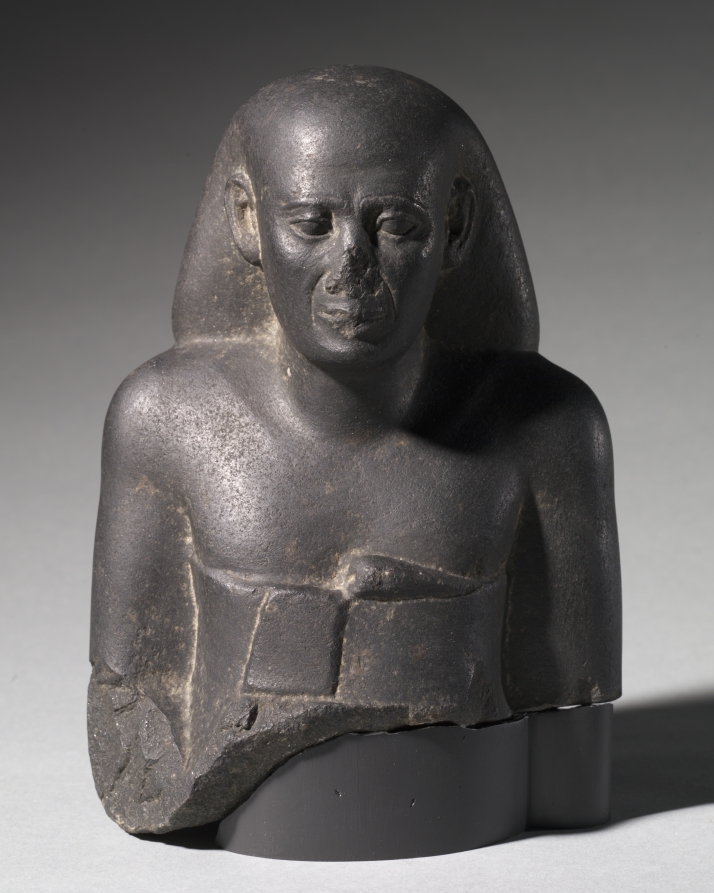
Bust of Ankh-Hor, from The Cleveland Museum of Art
The Cleveland Museum of Art · Open Access · Reuse terms

Egypt, Late period (715–332 BCE), Dynasty 27 / 525–404 BCE

Bust of Ankh-Hor

Bust of Ankh-Hor

The Cleveland Museum of Art catalogs Bust of Ankh-Hor as sculpture (Egypt, Late period (715–332 BCE), Dynasty 27 · 525–404 BCE).

The black volcanic basalt stone imparts a sleek appearance to this revered temple statue.

SERENDIPITYA little unexpected
FamiliarWeird

The museum identifies this sculpture as basalt.

The museum's collection notes: This bust of Ankh-Hor comprises the top portion of a temple statue. From the position of the arms, it is evident that it originally belonged to a striding figure holding a naos , or shrine, containing the image of a deity. His high-waisted wraparound robe, fashionable during the Persian period (Dynasty 27) when this figure was carved, would have reached to his ankles.

The Cleveland Museum of ArtBust of Ankh-Hor

Original explanation based on the sources above. Images carry their own reuse terms.