YOUR NEXT DISCOVERY/ArtifactsFollow your curiosity
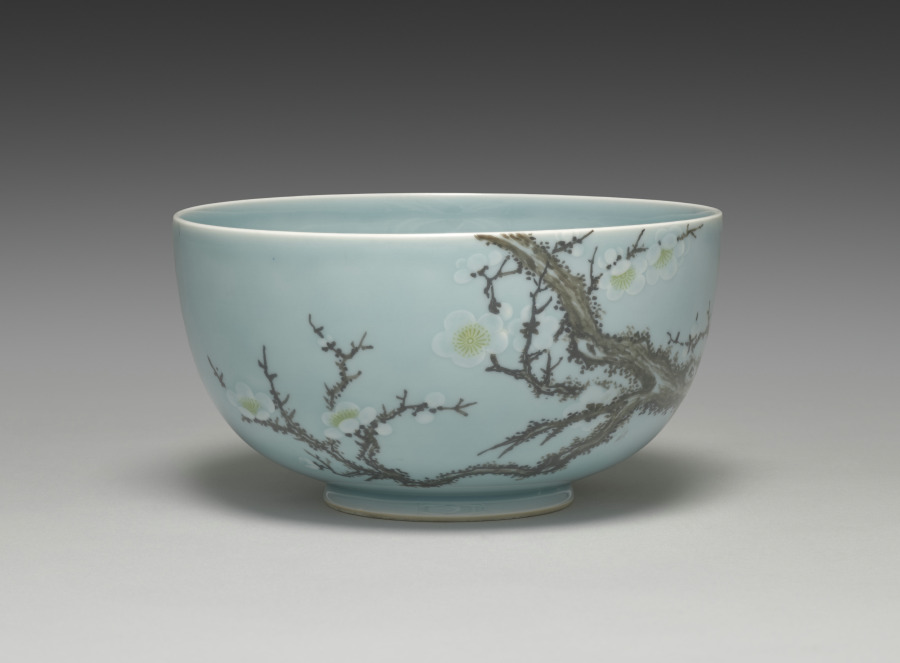
Sweets Bowl with Plum Tree, from The Cleveland Museum of Art
The Cleveland Museum of Art · Open Access · Reuse terms

Japan, Taishō period (1912–26) to Shōwa period (1926–89) / 1914–46

Sweets Bowl with Plum Tree

Sweets Bowl with Plum Tree

The Cleveland Museum of Art catalogs Sweets Bowl with Plum Tree as ceramic (Japan, Taishō period (1912–26) to Shōwa period (1926–89) · 1914–46).

Broad access to high-quality Chinese ceramics occasioned by the collapse of the Qing dynasty (1644–1911) and the dispersal of elite Chinese collections presented Seifū Yohei IV with models for both molded decoration and painted motifs.

SERENDIPITYA little unexpected
FamiliarWeird

The museum identifies this ceramic as Porcelain with underglaze color and modeled design and credits Seifū Yohei IV (Japanese, 1872–1951).

The museum's collection notes: In Chinese culture, the plum symbolizes the virtue of perseverance. For his sweets bowl based on Qing dynasty (1644–1911) Chinese prototypes, Seifū Yohei IV first painted the gnarled boughs of a plum tree in iron oxide on the surface. Then he made the tree’s blossoms slightly raised by building up slip, or liquified clay. He painted their centers yellow. Before applying the blue glaze, he covered the blossoms with paper so that they remained white.

The Cleveland Museum of ArtSweets Bowl with Plum Tree

Original explanation based on the sources above. Images carry their own reuse terms.