YOUR NEXT DISCOVERY/ArtifactsFollow your curiosity
Dish with Ginkgo Leaves, from The Cleveland Museum of Art
The Cleveland Museum of Art · Open Access · Reuse terms

Japan, Edo period (1615–1868) / late 1600s–early 1700s

Dish with Ginkgo Leaves

Dish with Ginkgo Leaves

The Cleveland Museum of Art catalogs Dish with Ginkgo Leaves as ceramic (Japan, Edo period (1615–1868) · late 1600s–early 1700s).

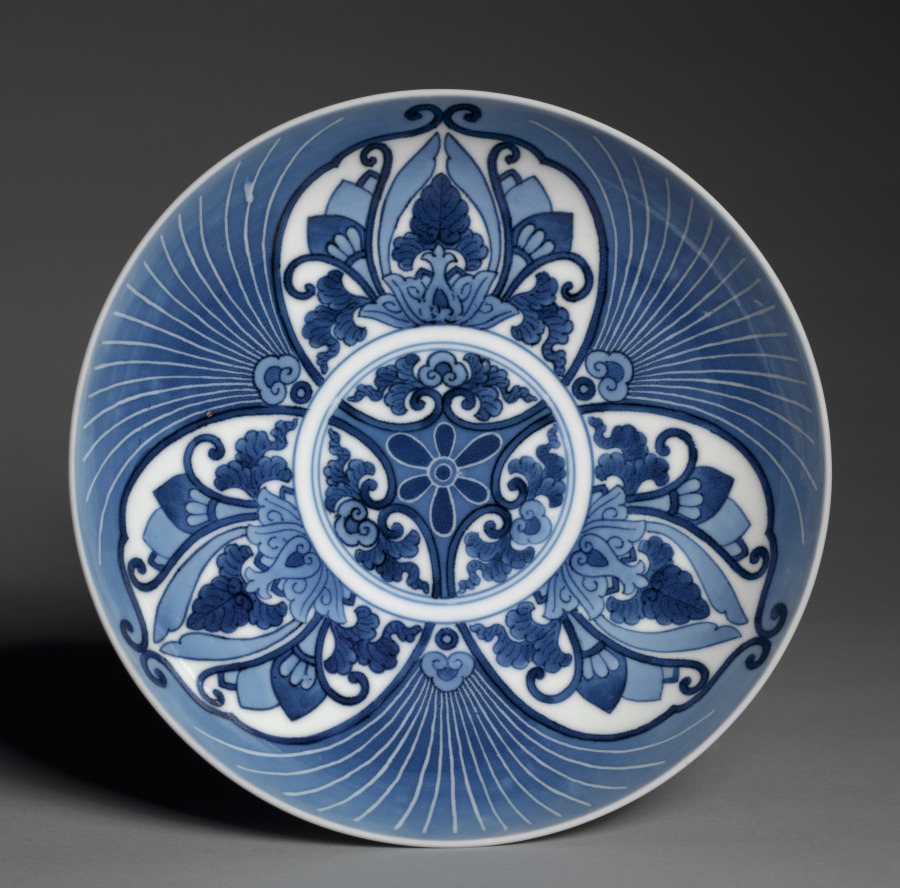
The ginkgo's distinctive fan-shaped leaf is a symbol of longevity and endurance in Japanese art.

SERENDIPITYA little unexpected
FamiliarWeird

The museum identifies this ceramic as Porcelain with underglaze blue (Hizen ware, Nabeshima type).

The museum's collection notes: This dish is an example of the finest type of Japanese porcelain, Nabeshima-type Hizen ware. It has a complex, abstracted design of ginkgo leaves and “Chinese grasses” ( karakusa ) in underglaze blue that may be among the most interesting of the underglaze blue designs. The dish is the largest of the three standard-sized Nabeshima dishes for individual servings.

The Cleveland Museum of ArtDish with Ginkgo Leaves

Original explanation based on the sources above. Images carry their own reuse terms.