YOUR NEXT DISCOVERY/ArtifactsFollow your curiosity
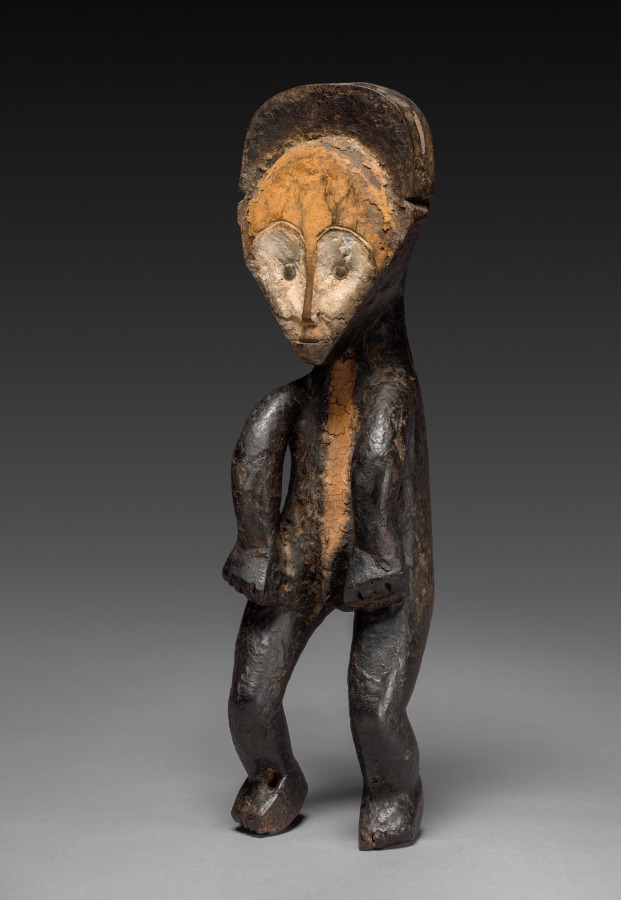
Male Figure (Ofika), from The Cleveland Museum of Art
The Cleveland Museum of Art · Open Access · Reuse terms

Africa, Central Africa, Democratic Republic of Congo, Mbole-style carver / late 1800s or early 1900s

Male Figure (Ofika)

Male Figure (Ofika)

The Cleveland Museum of Art catalogs Male Figure (Ofika) as sculpture (Africa, Central Africa, Democratic Republic of Congo, Mbole-style carver · late 1800s or early 1900s).

The stripe painted down the figure's torso represents the cord used for execution.

SERENDIPITYA little unexpected
FamiliarWeird

The museum identifies this sculpture as Wood, colorant, and upholstery studs.

The museum's collection notes: Figures such as this, known as ofika, were central to the initiation practices and the enforcement of laws among the all-male Lilwa association, a hierarchical organization that served educational, judicial, political, economic, and ritual functions among the Mbole. Meant to instill a moral code and to act as a cautionary symbol during initiation for Lilwa novices, ofika figures are believed to represent criminals who were ritually hanged for transgressions against Lilwa laws. The figure’s encrusted surface imitates how members covered their bodies with a substance made of ashes and palm oil during burial rites.

The Cleveland Museum of ArtMale Figure (Ofika)

Original explanation based on the sources above. Images carry their own reuse terms.