YOUR NEXT DISCOVERY/ArtifactsFollow your curiosity
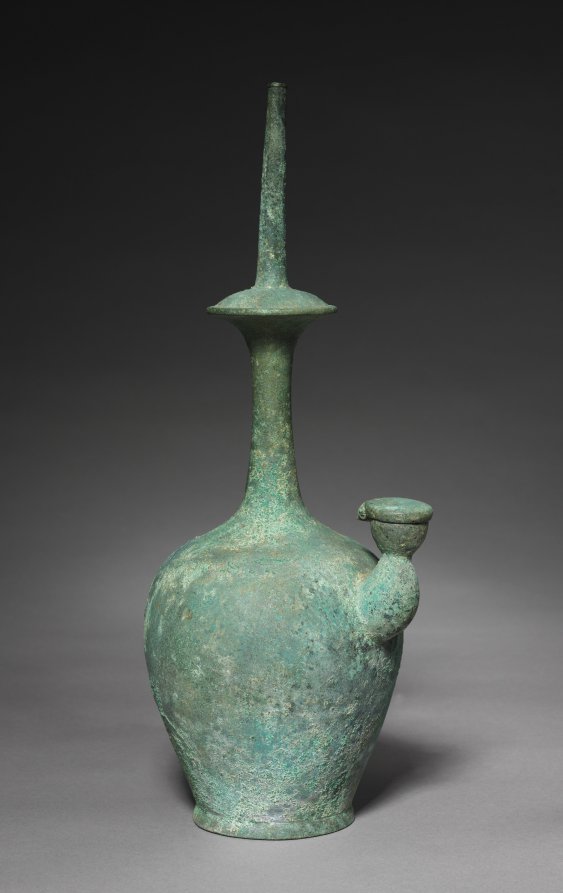
Water Ewer for Rituals (Kundika), from The Cleveland Museum of Art
The Cleveland Museum of Art · Open Access · Reuse terms

Korea, Goryeo dynasty (918–1392) / 1100s

Water Ewer for Rituals (Kundika)

Water Ewer for Rituals (Kundika)

The Cleveland Museum of Art catalogs Water Ewer for Rituals (Kundika) as metalwork (Korea, Goryeo dynasty (918–1392) · 1100s).

This distinctively shaped vessel is called a kundika in Sanskrit, simply referring to a water bottle.

SERENDIPITYA little unexpected
FamiliarWeird

The museum identifies this metalwork as bronze.

The museum's collection notes: Known as kundika in Sanskrit, this distinctively shaped vessel served to purify a sacred space and to invoke a deity. In Korean Buddhist art, it appears primarily as an attribute of the Bodhisattva Avalokitesvara (Gwaneum in Korean). By the 1100s, however, the kundika was used as aristocrats’ fancy water container for everyday use.

The Cleveland Museum of ArtWater Ewer for Rituals (Kundika)

Original explanation based on the sources above. Images carry their own reuse terms.