YOUR NEXT DISCOVERY/ArtifactsFollow your curiosity
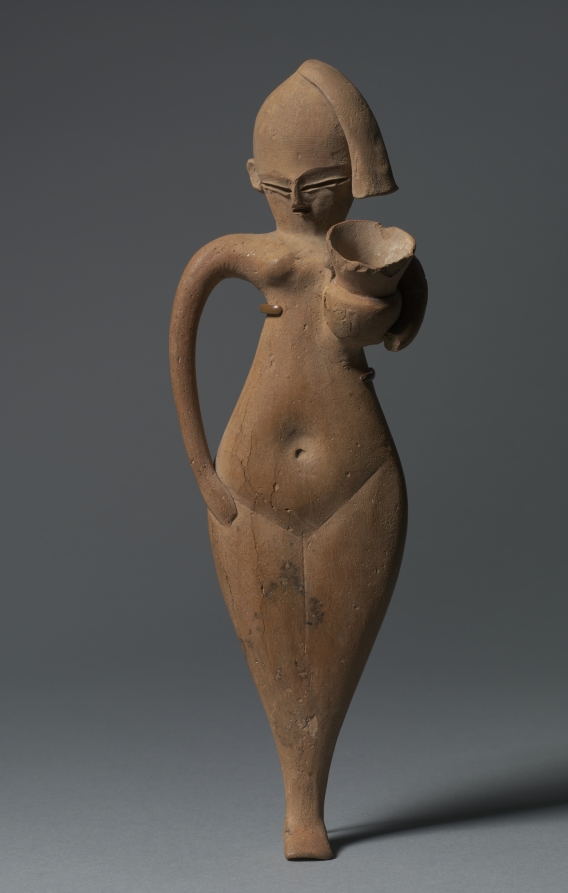
Statuette of a Serving Girl, from The Cleveland Museum of Art
The Cleveland Museum of Art · Open Access · Reuse terms

Egypt, New Kingdom (1540–1069 BCE), Dynasties 18–19 / c. 1323–1186 BCE

Statuette of a Serving Girl

Statuette of a Serving Girl

The Cleveland Museum of Art catalogs Statuette of a Serving Girl as sculpture (Egypt, New Kingdom (1540–1069 BCE), Dynasties 18–19 · c. 1323–1186 BCE).

This statuette of a serving girl was likely intended to accompany the deceased in the afterlife.

SERENDIPITYA little unexpected
FamiliarWeird

The museum identifies this sculpture as terracotta, originally painted.

The museum's collection notes: This statuette of a young serving girl carrying a jar belongs to a select group of hand-modeled figurines usually dated to Dynasties 18 and 19. According to the conventions of Egyptian art, the girl's nudity and the sidelock of hair indicate her young age. No more than a dozen of these statuettes are known. Their distinctive features--slit-like eyes, exaggerated hips, triangular delineation of the legs, and finger-depression of the navel--suggest that all were made in the same workshop. Although their exact function remains unknown, it has been suggested that they magically served the deceased as an object in the tomb.

The Cleveland Museum of ArtStatuette of a Serving Girl

Original explanation based on the sources above. Images carry their own reuse terms.