YOUR NEXT DISCOVERY/ArtifactsFollow your curiosity
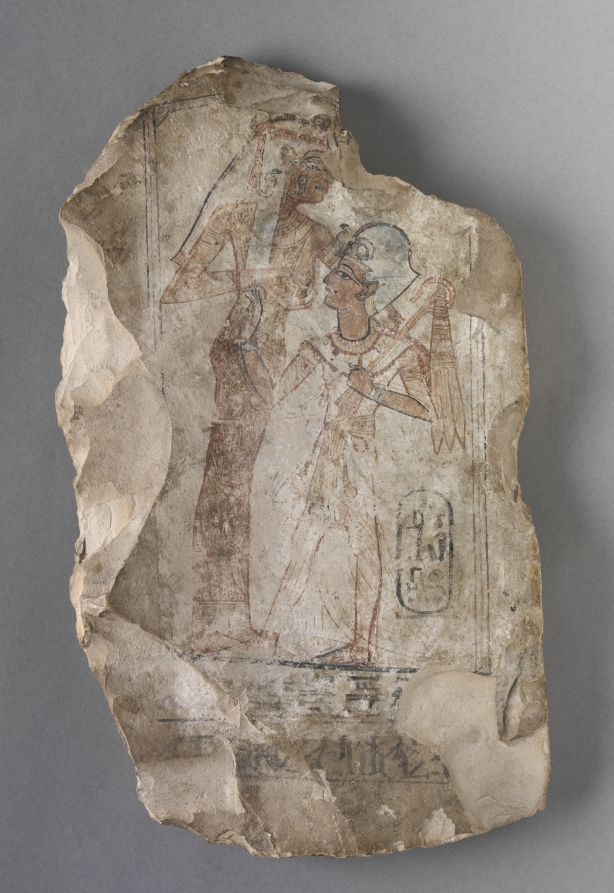
Ostracon: Ramesses II Suckled by a Goddess, from The Cleveland Museum of Art
The Cleveland Museum of Art · Open Access · Reuse terms

Egypt, New Kingdom (1540–1069 BCE), Dynasty 19, reign of Ramesses II (1279–1213 BCE) / c. 1279–1213 BCE

Ostracon: Ramesses II Suckled by a Goddess

Ostracon: Ramesses II Suckled by a Goddess

The Cleveland Museum of Art catalogs Ostracon: Ramesses II Suckled by a Goddess as sculpture (Egypt, New Kingdom (1540–1069 BCE), Dynasty 19, reign of Ramesses II (1279–1213 BCE) · c. 1279–1213 BCE).

The artisans who carved the tombs in the cemeteries lived in a tiny community not far from their workplace.

SERENDIPITYA little unexpected
FamiliarWeird

The museum identifies this sculpture as painted limestone.

The museum's collection notes: Ostraca (singular, ostracon) are natural limestone flakes, common to the region of Thebes. The ancient Egyptians who lived there, particularly the artisans of the royal tombs, used them extensively as writing or drawing surfaces, both for practice and for instruction. Some are almost finished works of art; others are clearly sketches. Whether passing idle time or practicing their technique, these pieces provide a rare look at an ancient artist at work. This ostracon is decorated with a scene of the king suckled by a goddess. Although his body is that of an adult, the king (identified by the inscriptions as Ramesses II) appears child size. The

The Cleveland Museum of ArtOstracon: Ramesses II Suckled by a Goddess

Original explanation based on the sources above. Images carry their own reuse terms.