YOUR NEXT DISCOVERY/ArtifactsFollow your curiosity
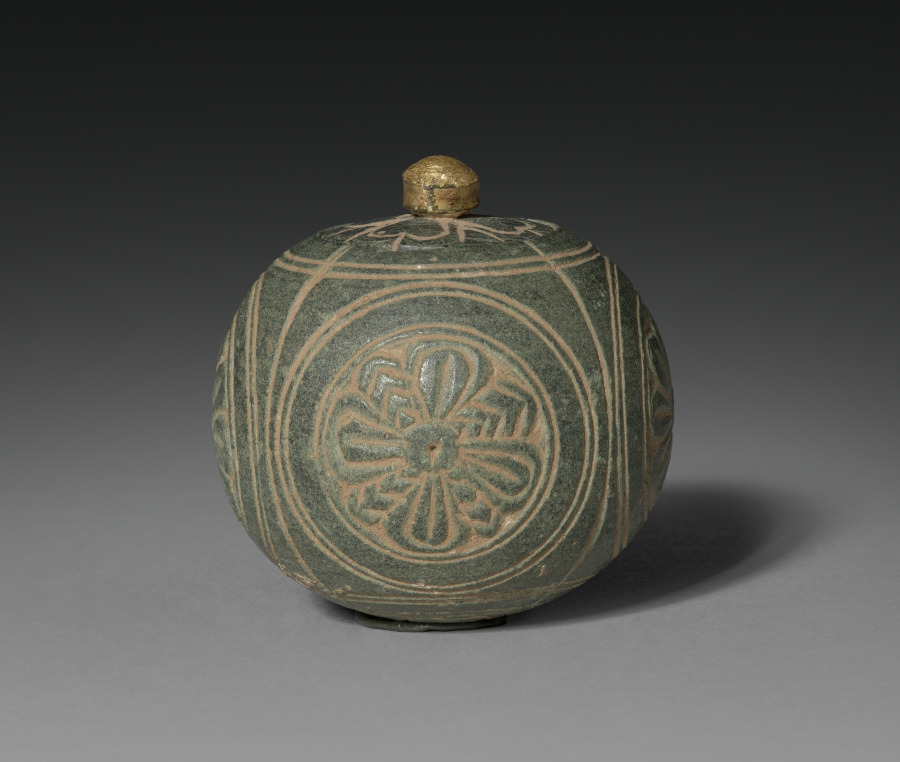
Miniature Stone Reliquary or Toilette Casket, from The Cleveland Museum of Art
The Cleveland Museum of Art · Open Access · Reuse terms

Pakistan, Gandhara, probably Sirkap, early Kushan period / 1–100 CE

Miniature Stone Reliquary or Toilette Casket

Miniature Stone Reliquary or Toilette Casket

The Cleveland Museum of Art catalogs Miniature Stone Reliquary or Toilette Casket as sculpture (Pakistan, Gandhara, probably Sirkap, early Kushan period · 1–100 CE).

The knob of the lid is gilded, as is the interior of the casket.

SERENDIPITYA little unexpected
FamiliarWeird

The museum identifies this sculpture as gray schist.

The museum's collection notes: Tiny reliquaries holding the cremated remains of the Buddha or a high-ranking holy person empowered monuments and made them sacred. A Buddhist monument, such as the solid hemispherical mounds called stupas, would not be worshipped until it was consecrated with the relic secreted inside. Bits of ash were combined with tiny gems inside a crystal or glass reliquary, which was then placed inside a stone or metal container, like the lidded versions seen here. These containers look like cosmetic vessels for aromatic pastes used for perfume in ancient India. Buddhist texts state that the enlightened Buddha emitted a fragrance like sandalwood paste;

The Cleveland Museum of ArtMiniature Stone Reliquary or Toilette Casket

Original explanation based on the sources above. Images carry their own reuse terms.