YOUR NEXT DISCOVERY/ArtifactsFollow your curiosity
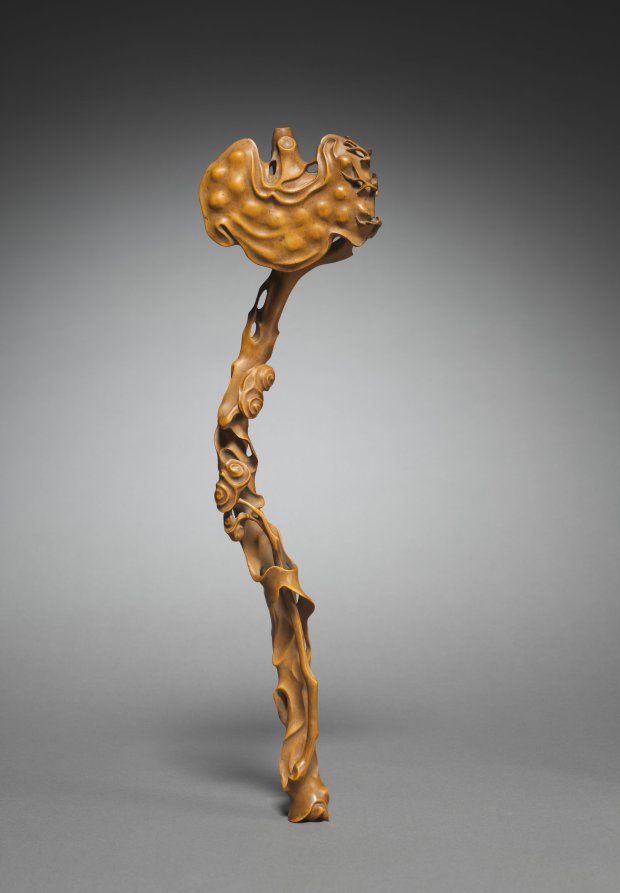
Scepter in the Shape of a Ruyi Fungus, from The Cleveland Museum of Art
The Cleveland Museum of Art · Open Access · Reuse terms

China, Qing dynasty (1644-1911) / 1700s

Scepter in the Shape of a Ruyi Fungus

Scepter in the Shape of a Ruyi Fungus

The Cleveland Museum of Art catalogs Scepter in the Shape of a Ruyi Fungus as wood (China, Qing dynasty (1644-1911) · 1700s).

Boxwood is a small, slow-growing evergreen tree found in Southeast China and as far as Europe.

SERENDIPITYA little unexpected
FamiliarWeird

The museum identifies this wood as carved boxwood.

The museum's collection notes: The ruyi scepter was among the decorative items collected by the Chinese literati. It was thought that lofty and refined men of ancient times—the Seven Sages of the Bamboo Grove of the late 200s CE—carried ruyi scepters during the so-called pure conversations of the Daoists. The name ruyi (literally, as one wishes) conveys blessings of wish fulfillment. The fungus-shaped head is an emblem of immortality.

The Cleveland Museum of ArtScepter in the Shape of a Ruyi Fungus

Original explanation based on the sources above. Images carry their own reuse terms.