YOUR NEXT DISCOVERY/ArtifactsFollow your curiosity
Apis Bull, from The Cleveland Museum of Art
The Cleveland Museum of Art · Open Access · Reuse terms

Egypt, Greco-Roman period (332 BCE–395 CE), Ptolemaic dynasty (305–30 BCE) / 400–100 BCE

Apis Bull

Apis Bull

The Cleveland Museum of Art catalogs Apis Bull as sculpture (Egypt, Greco-Roman period (332 BCE–395 CE), Ptolemaic dynasty (305–30 BCE) · 400–100 BCE).

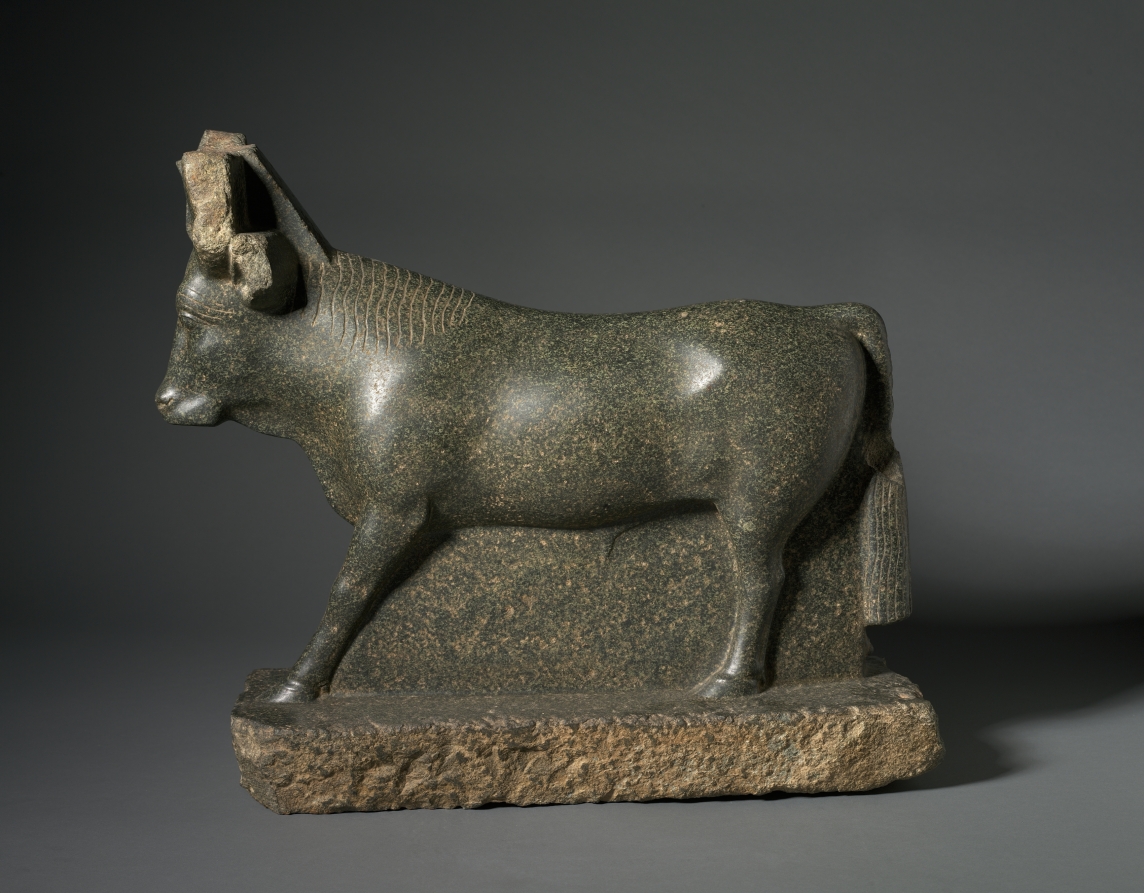
A larger base, likely inscribed, may have hidden the rough, unfinished lower edges of this statue.

SERENDIPITYA little unexpected
FamiliarWeird

The museum identifies this sculpture as serpentinite.

The museum's collection notes: Sacred animal cults have a long history in ancient Egypt, but they became even more important in the Ptolemaic and Roman periods. Because each god could incarnate himself into any animal species, beasts of all sorts--dogs, cats, ibises, crocodiles--were protected, venerated, mummified, and collected by the thousands in specialized animal cemeteries. The sacred bull cults were different. Apis, the bull of Memphis, was a god in his own right. But he was also associated with other deities, such as Ptah, the god of Memphis, and Osiris, in the form of Osiris-Apis (or Serapis). Statues and reliefs always show him crowned with a sun disk and cobra.

The Cleveland Museum of ArtApis Bull

Original explanation based on the sources above. Images carry their own reuse terms.