YOUR NEXT DISCOVERY/ArtifactsFollow your curiosity
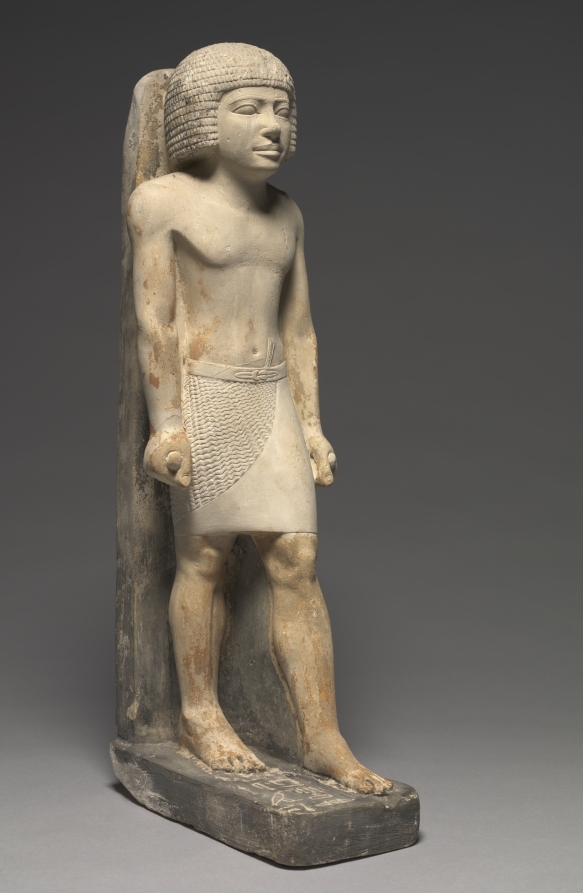
Striding Statue of Minnefer, from The Cleveland Museum of Art
The Cleveland Museum of Art · Open Access · Reuse terms

Egypt, Giza, Old Kingdom (2647–2124 BCE), Dynasty 5 / c. 2377–2311 BCE

Striding Statue of Minnefer

Striding Statue of Minnefer

The Cleveland Museum of Art catalogs Striding Statue of Minnefer as sculpture (Egypt, Giza, Old Kingdom (2647–2124 BCE), Dynasty 5 · c. 2377–2311 BCE).

In the Old Kingdom, wigs like the one Minnefer wears here were used to demonstrate higher social status.

SERENDIPITYA little unexpected
FamiliarWeird

The museum identifies this sculpture as painted limestone.

The museum's collection notes: The base of this statue is inscribed with the name and title of the supervisor of palace attendants, Minnefer. He is represented as young and athletic, hands at his sides and left foot forward, the typical striding pose for male figures. To make the statue more lifelike, the flesh areas were originally painted reddish brown, the wig black, and the kilt white. This was one of four statues of Minnefer that were found in the serdab (sealed statue chamber) of his ruined mastaba (tomb) in the cemetery west of the Great Pyramid at Giza. Most Old Kingdom private statues were concealed in this way. The statue was regarded as more than just a represen

The Cleveland Museum of ArtStriding Statue of Minnefer

Original explanation based on the sources above. Images carry their own reuse terms.