YOUR NEXT DISCOVERY/ArtifactsFollow your curiosity
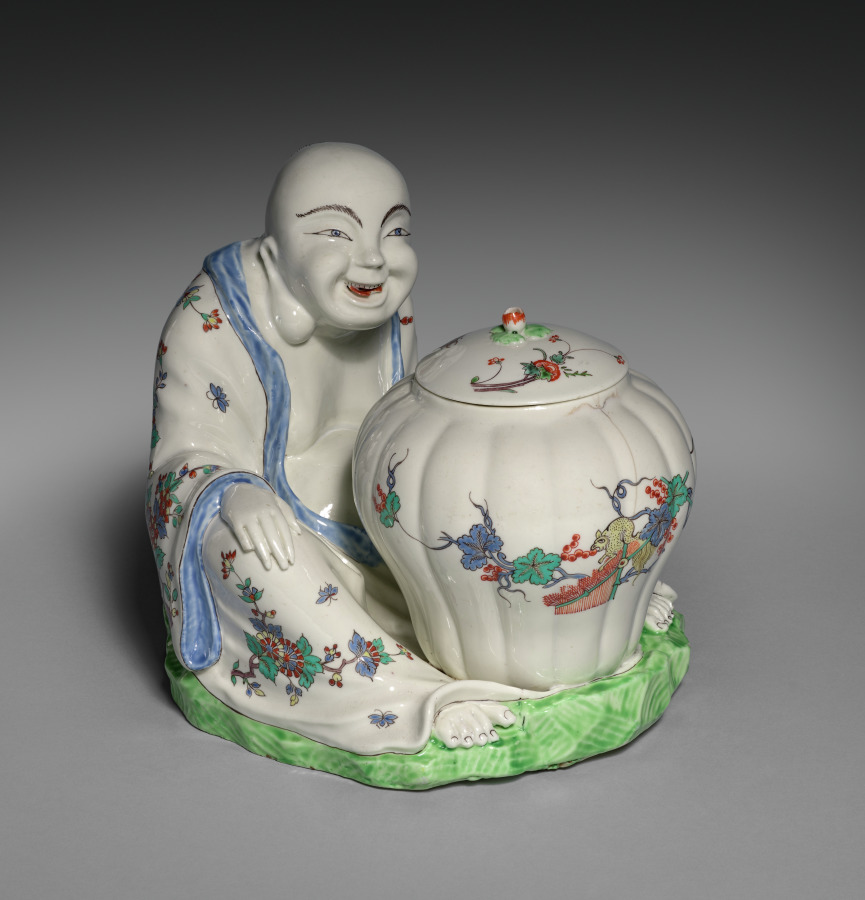
Figure of Budai or Hotei with Jar, from The Cleveland Museum of Art
The Cleveland Museum of Art · Open Access · Reuse terms

France, Chantilly / c. 1735–40

Figure of Budai or Hotei with Jar

Figure of Budai or Hotei with Jar

The Cleveland Museum of Art catalogs Figure of Budai or Hotei with Jar as ceramic (France, Chantilly · c. 1735–40).

In 1735, the Chantilly factory was given a 25-year royal privilege for the manufacture of objects that imitated Japanese porcelain.

SERENDIPITYA little unexpected
FamiliarWeird

The museum identifies this ceramic as Tin-glazed soft-paste porcelain with enamel decoration and credits Chantilly Porcelain Factory (French).

The museum's collection notes: The production of decorative figures like this one, referred to as magots or pagodes in European texts, was the result of an 18th-century European interest in Chinese and Japanese culture and porcelain. Budai, pronounced Hotei in Japanese, was a semilegendary Chinese monk known in Japan through the transmission of Chan Bhuddism. This figure’s decoration with multicolor overglaze enamels on a milky-white is typical of Japanese Kakiemon style.

The Cleveland Museum of ArtFigure of Budai or Hotei with Jar

Original explanation based on the sources above. Images carry their own reuse terms.