YOUR NEXT DISCOVERY/ArtifactsFollow your curiosity
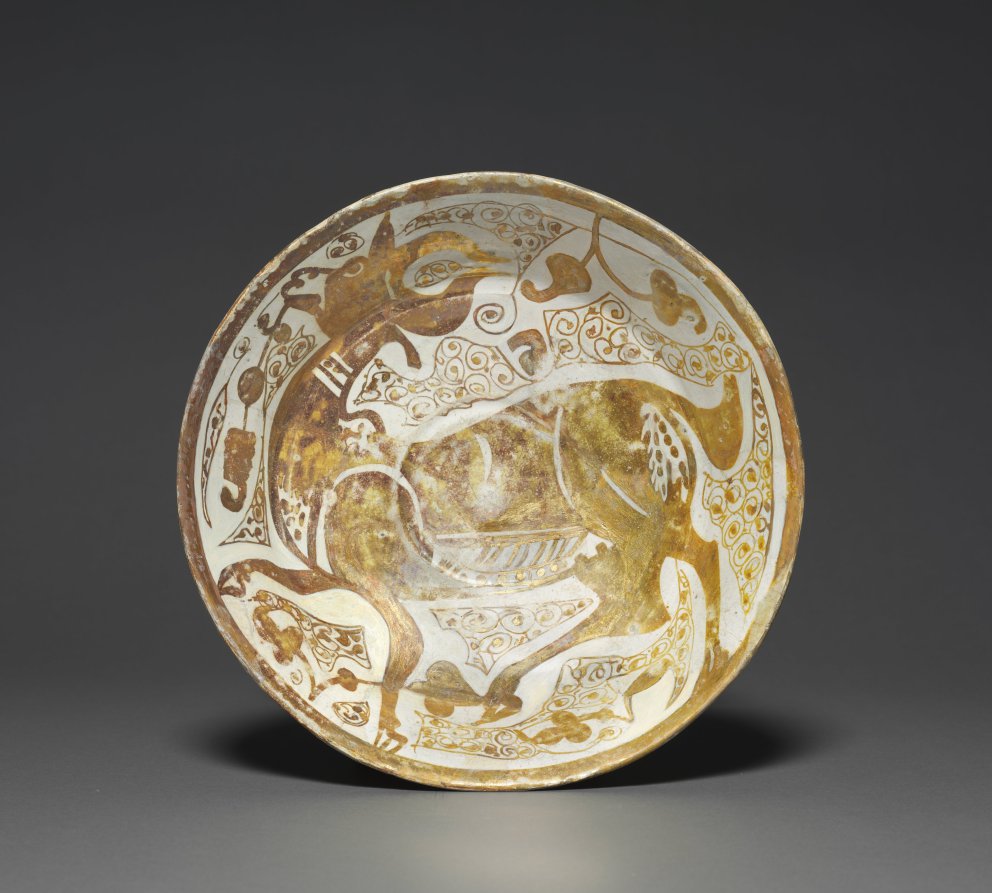
Luster Bowl with Antelope, from The Cleveland Museum of Art
The Cleveland Museum of Art · Open Access · Reuse terms

Egypt, Fustat (Old Cairo), Fatimid period (909–1171) / 1000s

Luster Bowl with Antelope

Luster Bowl with Antelope

The Cleveland Museum of Art catalogs Luster Bowl with Antelope as ceramic (Egypt, Fustat (Old Cairo), Fatimid period (909–1171) · 1000s).

The luster technique was transmitted by Iraqi potters to the Fatimid court in Cairo.

SERENDIPITYA little unexpected
FamiliarWeird

The museum identifies this ceramic as earthenware with luster-painted design.

The museum's collection notes: The production of lusterware flourished in the prosperous Fatimid court in Cairo. The technique used metal oxides to paint designs onto a ceramic vessel. It was expensive and unpredictable but, if done correctly, would create a glistening effect. Fatimid lusterware motifs are quite varied, drawing on Greek and Christian themes, floral and vegetal designs, and a menagerie of animals. Some scenes focus on a single creature, as is the case with the antelope on this dish, while others evoke courtly themes of hunting or banquets.

The Cleveland Museum of ArtLuster Bowl with Antelope

Original explanation based on the sources above. Images carry their own reuse terms.