YOUR NEXT DISCOVERY/ArtifactsFollow your curiosity
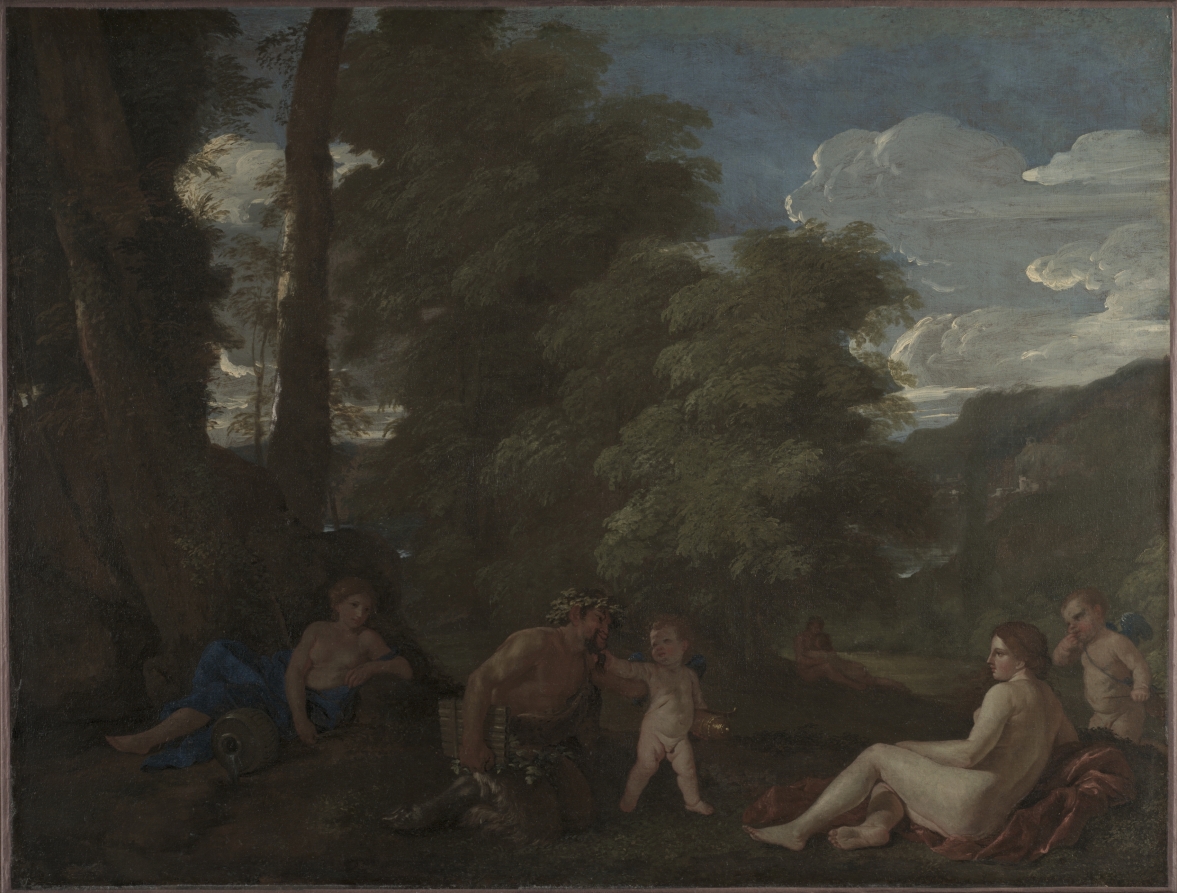
Nymphs and a Satyr (Amor Vincit Omnia), from The Cleveland Museum of Art
The Cleveland Museum of Art · Open Access · Reuse terms

France / c. 1625–27

Nymphs and a Satyr (Amor Vincit Omnia)

Nymphs and a Satyr (Amor Vincit Omnia)

The Cleveland Museum of Art catalogs Nymphs and a Satyr (Amor Vincit Omnia) as painting (France · c. 1625–27).

After arriving in Rome and experiencing financial instability, Nicolas Poussin turned to painting more popular, lucrative mythological scenes, such as those depicting nymphs and satyrs.

SERENDIPITYA little unexpected
FamiliarWeird

The museum identifies this painting as oil on canvas and credits Nicolas Poussin (French, 1594–1665).

The museum's collection notes: Like his colleague Claude Lorrain, Poussin depicted historical and mythological subjects in landscapes inspired by the countryside around Rome. His themes were often complex, and frequently incorporated witty allusions to classical texts. Here, a playful cupid tugs Pan, the goatlegged Greek god of the woods, toward Venus, the goddess of love. The painting cleverly illustrates the Latin phrase amor vincit omnia, or “love conquers all” (in Greek, pan means “all”). The woodland setting represents the idyllic paradise of Pan’s home.

The Cleveland Museum of ArtNymphs and a Satyr (Amor Vincit Omnia)

Original explanation based on the sources above. Images carry their own reuse terms.